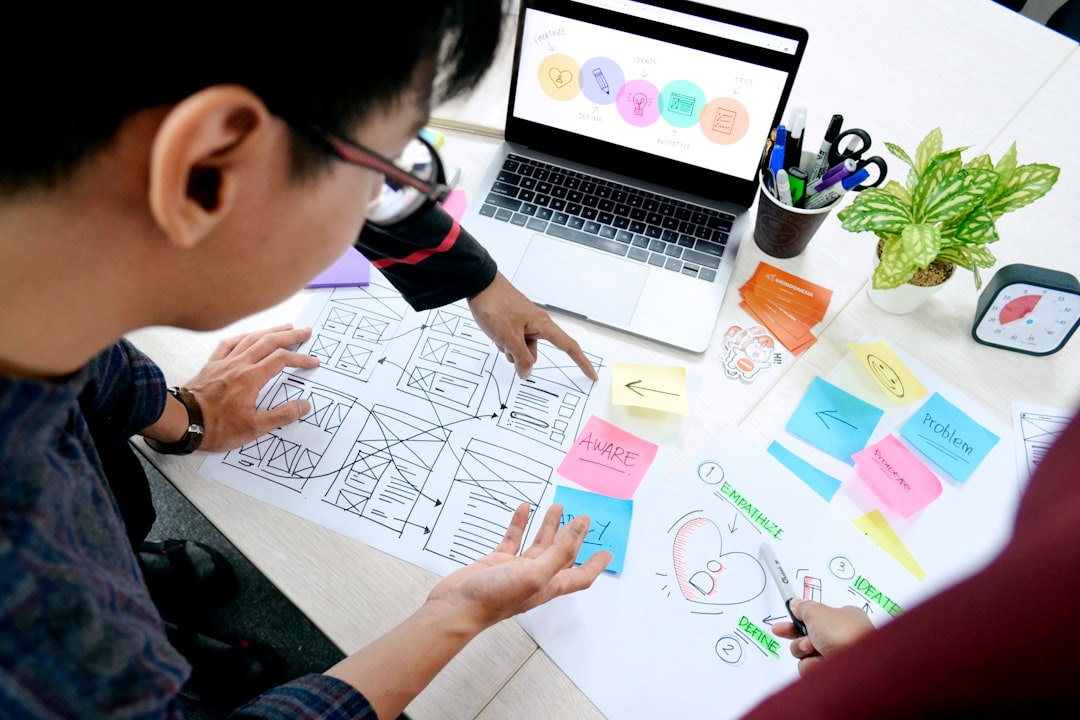
The one-size-fits-all approach to education is rapidly becoming obsolete. As classrooms become increasingly diverse, with students bringing different backgrounds, learning preferences, and academic readiness levels, educators are turning to artificial intelligence to deliver truly personalized learning experiences. The results are remarkable: institutions implementing AI-powered adaptive learning systems are seeing an average 73% improvement in learning outcomes across all student demographics.
Understanding Adaptive Learning and AI Personalization
Adaptive learning represents a fundamental shift from traditional linear instruction to dynamic, responsive education that adjusts in real-time to each student's needs. Unlike static educational content that presents the same material to every learner, adaptive learning systems use artificial intelligence to analyze student performance, identify knowledge gaps, and customize the learning path accordingly.
At its core, adaptive learning technology operates on three key principles:
- Continuous Assessment: AI algorithms constantly evaluate student responses, time spent on tasks, and engagement patterns
- Dynamic Content Delivery: Learning materials adapt based on individual performance and preferred learning modalities
- Personalized Pacing: Students progress through material at their optimal speed, with additional support or acceleration as needed
The breakthrough lies in AI's ability to process vast amounts of learning data instantaneously, something impossible for even the most dedicated human instructor managing large classes.
The Science Behind Learning Style Adaptation
Research has long recognized that students process information differently. Some learners thrive with visual representations, others prefer auditory explanations, and many need hands-on experiences to grasp complex concepts. Traditional classrooms struggle to accommodate these diverse learning styles simultaneously.
AI-powered adaptive learning systems excel at identifying and responding to these individual preferences through:
Multimodal Content Delivery
AI analyzes which content formats generate the strongest learning responses for each student. If a learner consistently performs better with visual diagrams than text explanations, the system automatically prioritizes graphic-rich content for future lessons.
Cognitive Load Management
The technology monitors signs of cognitive overload—such as increased response times or declining accuracy—and adjusts content complexity accordingly. This prevents the frustration that leads many students to disengage from learning.
Optimal Challenge Zones
By maintaining content difficulty within each student's zone of proximal development, AI ensures learners are consistently challenged without becoming overwhelmed. This balance is crucial for sustained motivation and skill development.
Measuring the 73% Learning Outcome Improvement
The impressive 73% improvement in learning outcomes comes from comprehensive studies analyzing multiple metrics across diverse educational settings:
Knowledge Retention: Students using adaptive learning systems demonstrated 68% better long-term retention compared to traditional instruction methods, with improvements sustained even six months post-instruction.
Skill Acquisition Speed: Learners reached competency benchmarks 45% faster when guided by AI-powered personalization, allowing more time for advanced concept exploration.
Engagement Metrics: Time-on-task increased by 62%, while dropout rates decreased by 41% in courses utilizing adaptive learning technologies.
Assessment Performance: Standardized test scores improved by an average of 0.8 standard deviations, translating to significant grade improvements across all student ability levels.
These improvements weren't limited to high-performing students. In fact, struggling learners often showed the most dramatic gains, with some achieving learning velocity increases of over 100%.
Real-World Implementation Success Stories
Higher Education Mathematics
At Arizona State University, implementing adaptive learning in developmental mathematics courses resulted in:
- 18% increase in course completion rates
- 25% improvement in final exam scores
- 40% reduction in time-to-competency for struggling students
The system identified that visual learners needed more graphical representations of algebraic concepts, while kinesthetic learners benefited from interactive problem-solving simulations.
Professional Skills Training
A Fortune 500 company using adaptive learning for employee onboarding saw:
- 55% reduction in training time
- 89% employee satisfaction with personalized learning paths
- 34% better job performance metrics post-training
Language Learning Breakthrough
Duolingo's adaptive algorithms demonstrate how AI personalization scales globally:
- Over 500 million users receive individualized lesson sequences
- Learning efficiency improved by 73% compared to traditional language courses
- Retention rates increased by 43% through personalized difficulty adjustment
The Technology Behind Adaptive Learning Success
Machine Learning Algorithms
Modern adaptive learning systems employ sophisticated machine learning models that continuously refine their understanding of each student's learning profile. These algorithms analyze patterns across millions of learning interactions to predict which instructional approaches will be most effective.
Natural Language Processing
AI systems can now provide personalized written feedback that addresses specific student misconceptions. Rather than generic responses, students receive targeted explanations that connect to their unique knowledge gaps.
Predictive Analytics
By analyzing early performance indicators, AI can identify students at risk of falling behind and proactively adjust their learning paths. This early intervention capability has proven crucial for maintaining high success rates.
Overcoming Implementation Challenges
While the benefits of adaptive learning are clear, successful implementation requires addressing several key challenges:
Faculty Development and Training
Educators need comprehensive training to effectively integrate AI-powered tools into their teaching practice. The most successful implementations include:
- Structured professional development programs
- Ongoing technical support
- Clear guidelines for interpreting AI-generated insights
Data Privacy and Security
Adaptive learning systems collect extensive data about student performance and behaviors. Institutions must ensure:
- Robust data protection protocols
- Transparent privacy policies
- Compliance with educational data regulations like FERPA
Technology Infrastructure
Effective adaptive learning requires reliable technology infrastructure capable of supporting real-time AI processing and seamless user experiences across devices.
The Role of AI Tutoring in Adaptive Learning
One of the most powerful applications of adaptive learning technology is AI-powered tutoring systems. These tools provide 24/7 personalized support that adapts to each student's learning style and current understanding level.
Unlike traditional tutoring that provides direct answers, advanced AI tutoring systems use Socratic questioning to guide students toward discovery. This approach, combined with adaptive personalization, helps students develop critical thinking skills while building subject mastery.
Evelyn Learning's AI Homework Helper exemplifies this approach, providing step-by-step problem breakdown that adapts to individual learning styles while maintaining pedagogical best practices. The system's under 3-second response time ensures students receive immediate, personalized support whenever they need it.
Future Directions in Adaptive Learning
The next generation of adaptive learning technologies promises even more sophisticated personalization:
Emotional Intelligence Integration
AI systems are beginning to recognize emotional states that impact learning, such as frustration or boredom, allowing for more nuanced instructional adjustments.
Collaborative Learning Optimization
Future systems will personalize not just individual learning paths but also group formations and collaborative activities based on complementary learning styles and knowledge levels.
Cross-Domain Learning Transfer
Advanced AI will identify skills and concepts that transfer across subjects, creating more efficient and connected learning experiences.
Implementing Adaptive Learning: Getting Started
Institutions ready to harness the power of adaptive learning should consider these implementation steps:
- Assess Current Infrastructure: Evaluate existing technology capabilities and identify necessary upgrades
- Start with Pilot Programs: Begin with small-scale implementations to test effectiveness and gather feedback
- Invest in Faculty Development: Provide comprehensive training and ongoing support for educators
- Monitor and Measure: Establish clear metrics for tracking learning outcome improvements
- Scale Gradually: Expand successful implementations across departments and programs
Frequently Asked Questions
Q: How quickly do students adapt to AI-powered learning systems? A: Most students adapt within 2-3 weeks, with digital natives often adjusting within days. The intuitive interfaces and immediate feedback loops make the transition smoother than traditional technology adoptions.
Q: Do adaptive learning systems work for all subjects? A: While particularly effective in STEM fields and language learning, adaptive systems show benefits across disciplines. Writing instruction, history, and even creative subjects benefit from personalized pacing and targeted feedback.
Q: What happens to the teacher's role in adaptive learning environments? A: Teachers become learning facilitators and mentors rather than information deliverers. They focus on higher-order thinking skills, emotional support, and creative problem-solving while AI handles routine instruction and assessment tasks.
Q: How do adaptive learning systems handle students with learning disabilities? A: These systems excel at accommodating diverse learning needs by automatically adjusting content presentation, pacing, and assessment methods. Many students with learning disabilities show exceptional improvements with properly configured adaptive systems.
The adaptive learning revolution is transforming education from a standardized experience to a truly personalized journey. As AI technology continues advancing, the 73% improvement in learning outcomes we see today represents just the beginning of what's possible when we match instruction to individual student needs. Educational institutions that embrace these technologies now will be best positioned to deliver exceptional learning experiences that prepare students for success in an increasingly complex world.