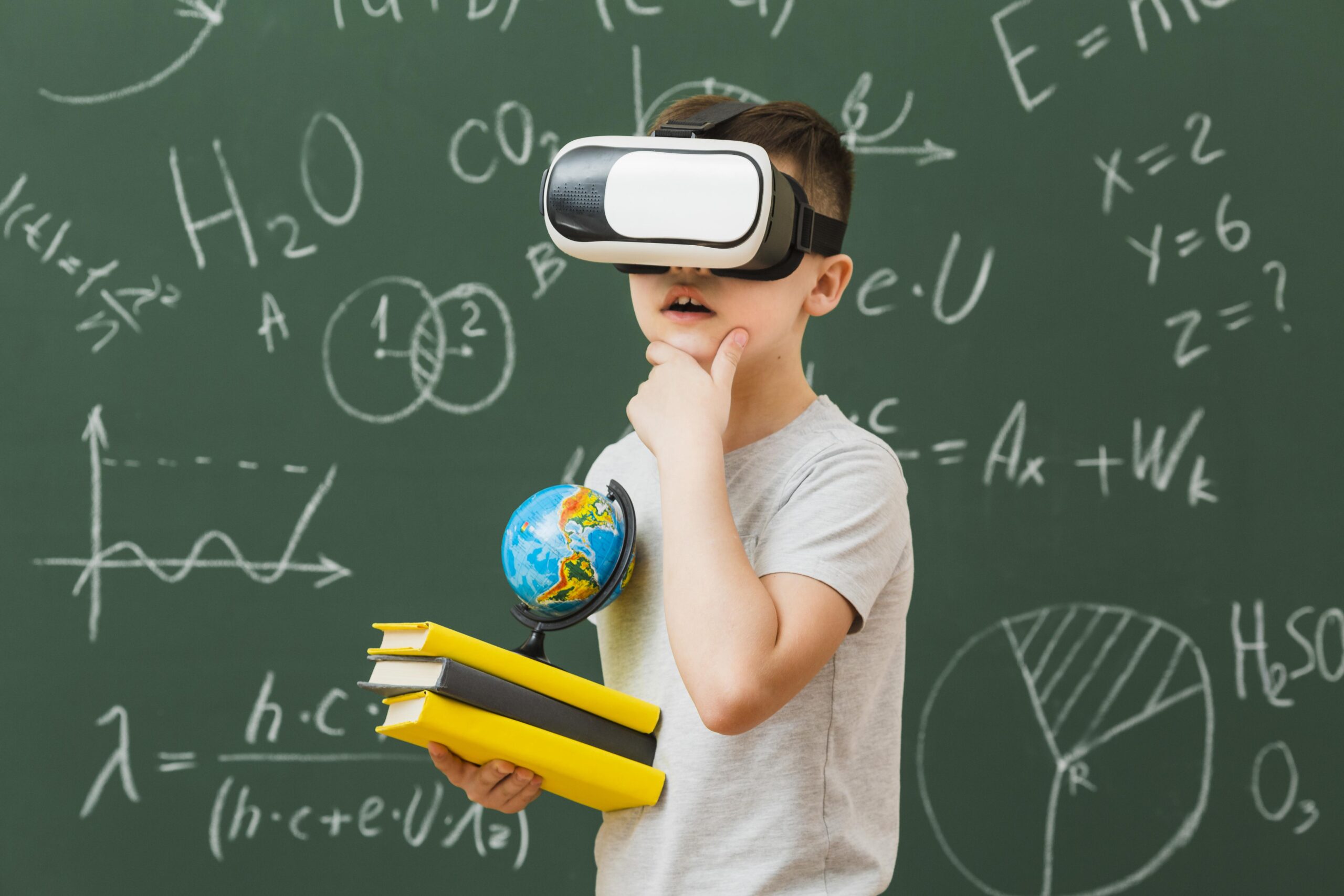
Among a wide variety of learning styles, visual learning is one of the most distinguished styles. Reliance on sight and spatial organization are its salient features. Visual learners take help from pictures, diagrams, and color to sort and retain information. This article takes you deep into the basics of visual learning style. It also explores its characteristics, benefits, strategies, and significance in both traditional and digital education scenarios.
Section 1: Understanding Visual Learning Style
Visual learners tend to prefer aids like images, graphics, colors, and maps. These help them to organize information along with facilitating communication with others. Their brain thinks through images. Illustrations, presentations full of colors, diagrams, and other visual aids benefit them a lot.
Section 2: Characteristics of Visual Learners
2.1 Spatial Awareness
Blessed with a strong sense of spatial awareness, visual learners are able to picture objects, plans, as well as outcomes instantly.
2.2 Preference for Images and Diagrams
Visual learners use pictures, images, and spatial understanding majorly. These help them to communicate and understand information.
2.3 Color Coding
The technique of color coding has proved beneficial for visual learners. It allows them to organize information by highlighting important information with different colors.
5.3 Virtual Reality (VR) and Augmented Reality (AR)
Lessons delivered through providing a realistic and practical mode are retained for a longer time. Numerous AR and VR technologies make it easy to create real-life experiences.
Section 6: Adaptation and Inclusivity
As education constantly evolves, educators must include effective teaching methods for visual learners. These techniques must be useful for a population with diverse learning preferences. It should also guarantee equal opportunities to succeed for all students.
Conclusion
The visual learning style focuses on spatial understanding that paves the way for an engaging approach to education. Educators must be familiarised with the characteristics and strategies benefitting visual learners. They should prepare teaching methods based on the needs of their learners. With the rise of technology in education, the potential of visual learning is growing. It reflects a future where learning is engaging and accessible to all.