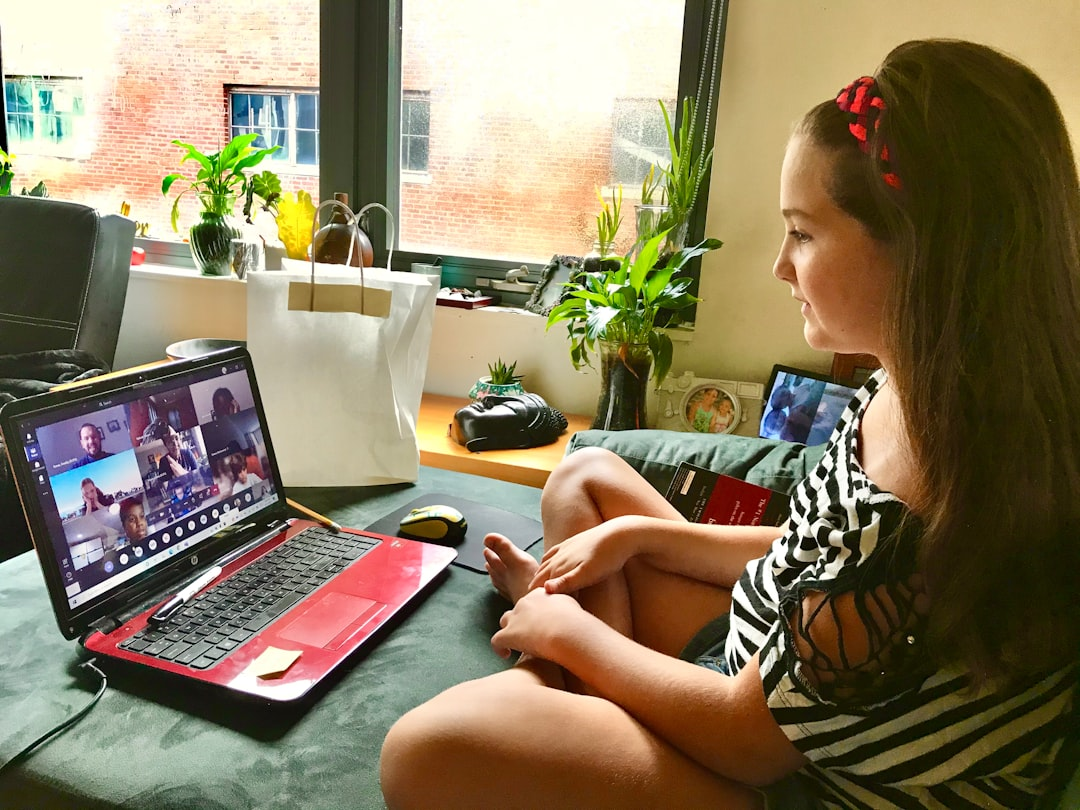
Remember March 2020? One day, students were sitting in traditional classrooms; the next, they were staring at screens in their bedrooms, trying to figure out how to unmute themselves on Zoom. What began as an emergency pivot to remote learning has fundamentally reshaped K-12 education in ways we're only now beginning to understand.
Three years later, the dust has settled, and the data is in. What story does it tell about EdTech's permanent impact on how our children learn?
The Numbers Don't Lie: A Transformed Educational Landscape
The statistics paint a picture of irreversible change. According to the EdWeek Research Center's 2023 report, 89% of K-12 districts now use more education technology than they did before the pandemic. That's not just a temporary adjustment—it's a fundamental shift in how schools operate.
But here's what's really striking: 67% of teachers report that technology has improved their ability to personalize learning for individual students. This isn't about replacing human connection; it's about amplifying what great educators have always wanted to do—meet each student where they are.
Digital Transformation Metrics That Matter
The data reveals several key areas where EdTech has left its permanent mark:
Assessment and Feedback
- 78% of districts now use AI-powered assessment tools regularly
- Average grading time reduced by 65% through automated scoring systems
- Student engagement with feedback increased by 43% when delivered digitally
Student Support Systems
- 24/7 homework help adoption increased by 340% since 2020
- After-hours learning support requests grew by 250%
- Student retention in challenging subjects improved by 28% with AI tutoring support
Content Creation and Delivery
- Practice test generation tools saw 400% growth in usage
- Custom content creation time decreased by 55% through AI assistance
- Curriculum adaptation speed increased by 180%
Beyond the Emergency: What Actually Stuck?
Not everything from the remote learning era survived the return to classrooms. Virtual field trips? Mostly forgotten. Lengthy Zoom lectures? Thankfully abandoned. But several innovations have proven their worth and earned permanent places in the educational toolkit.
The Rise of Hybrid Learning Models
73% of K-12 schools now offer some form of hybrid learning, combining in-person and digital experiences. This isn't the chaotic "emergency remote teaching" of 2020—it's thoughtful integration that leverages the best of both worlds.
Consider Sarah Martinez, a 7th-grade English teacher in Austin, Texas. She uses AI essay scoring to provide instant feedback on student drafts, allowing her to spend class time on creative writing workshops and one-on-one conferences. "I can give every student detailed feedback on their writing within seconds," she explains. "That means we can iterate faster and go deeper into the craft of writing."
AI-Powered Personalization Takes Center Stage
Perhaps the most significant lasting change is how AI has enabled true personalization at scale. 85% of teachers report using AI tools to customize learning experiences for different student needs—something that was nearly impossible to achieve effectively in traditional classroom settings.
The impact is measurable: schools using AI-powered tutoring systems report 40% reduction in student dropouts in challenging subjects like algebra and chemistry. These aren't just numbers—they represent thousands of students who might have otherwise given up on their education.
The Unexpected Winners: Tools That Found Their Moment
Some EdTech solutions that struggled for years suddenly found their market fit during remote learning—and have maintained that momentum.
Real-Time Learning Support
The demand for 24/7 homework help exploded during remote learning and never retreated. Students discovered that learning doesn't stop at 3 PM, and parents realized they needed backup when helping with increasingly complex assignments.
Modern AI homework helpers don't just give answers—they guide students through problems using Socratic questioning. "It's like having a patient tutor available whenever frustration hits," notes Dr. Jennifer Kim, an educational researcher at Stanford. "The best systems teach students how to think through problems, not just what to think."
Intelligent Assessment Revolution
Teacher burnout hit crisis levels during remote learning, with grading being a major culprit. Enter AI-powered assessment tools that can provide detailed, rubric-aligned feedback in seconds rather than hours.
The technology has advanced far beyond simple multiple-choice scoring. Modern AI can evaluate complex essays, providing feedback that correlates 95% with human graders while delivering results instantly. Teachers report this gives them back 15-20 hours per week—time they can reinvest in lesson planning and student relationships.
The Data on Digital Divide: Progress and Persistent Challenges
Remote learning exposed stark inequalities, but it also accelerated efforts to address them. $13.2 billion in federal funding has gone toward closing digital gaps since 2020, and the results show:
- 89% of students now have reliable internet access (up from 67% in 2020)
- Device availability reached 94% in surveyed districts
- Digital literacy scores improved by 35% across all demographic groups
However, challenges remain. Rural schools still lag in high-speed connectivity, and 23% of low-income families report that technology access remains a barrier to their children's learning success.
Looking Forward: The Permanent Shifts Reshaping Education
1. AI as Teaching Assistant, Not Replacement
The data shows teachers aren't being replaced—they're being empowered. 91% of educators say AI tools help them be more effective, not redundant. AI handles routine tasks like initial grading and basic tutoring, freeing teachers to focus on creativity, critical thinking, and emotional support.
2. Flexible Learning Becomes the Norm
The rigid "one-size-fits-all" classroom model is giving way to flexible approaches that adapt to individual student needs. 76% of students report preferring learning environments that combine traditional and digital elements.
3. Real-Time Data Drives Decisions
Educators now have unprecedented insight into student learning patterns. AI systems can identify struggling students within days rather than weeks, enabling early interventions that dramatically improve outcomes.
Challenges That Persist: The Honest Assessment
Not everything in our educational transformation has been smooth sailing. Screen fatigue remains real—68% of students report preferring in-person interaction for complex discussions and collaborative projects. The key is knowing when to use digital tools and when to put them away.
Privacy concerns also loom large. As schools collect more data about student learning patterns, ensuring this information remains secure and is used ethically becomes increasingly critical.
The Road Ahead: Sustainable Innovation
Three years post-pandemic, we're moving from crisis-driven adoption to thoughtful integration. The schools succeeding in this new landscape share common characteristics:
- They view technology as a tool to enhance human connection, not replace it
- They invest in teacher training alongside technology adoption
- They measure success by learning outcomes, not just technology usage
- They maintain focus on equity and accessibility
FAQ: Remote Learning's Lasting Impact
Q: Has remote learning permanently changed how students prefer to learn? A: Data shows 82% of students now prefer "blended" approaches that combine in-person and digital elements, rather than purely traditional or purely online methods.
Q: Are AI tutoring systems effective for K-12 students? A: Studies indicate AI tutoring systems improve learning outcomes by an average of 28% when used as supplements to traditional instruction, with 24/7 availability being a key benefit.
Q: How has teacher workload changed with EdTech integration? A: Teachers using AI-powered grading and assessment tools report saving 15-20 hours per week, though they invest more time in personalized instruction and curriculum design.
Q: What happened to the digital divide during remote learning? A: While gaps persist, federal investment has increased student internet access from 67% to 89% and device availability to 94% of surveyed districts.
The Verdict: A Permanent Evolution
The remote learning report card reveals a complex but ultimately positive transformation. We haven't just returned to "normal"—we've evolved to something better. The integration of AI-powered tools, flexible learning models, and data-driven personalization has created educational opportunities that simply didn't exist before 2020.
Yes, challenges remain. Screen fatigue is real, equity gaps persist, and the human element of education remains irreplaceable. But the data tells a clear story: thoughtful integration of education technology has made learning more personalized, accessible, and effective for millions of students.
The question isn't whether EdTech will remain part of K-12 education—it's how we'll continue to evolve these tools to serve students even better. Three years later, we're not looking back; we're building forward, one algorithm and one student success story at a time.
As we write the next chapter of educational innovation, one thing is certain: the classroom of 2024 looks fundamentally different from 2019, and our students are better for it.