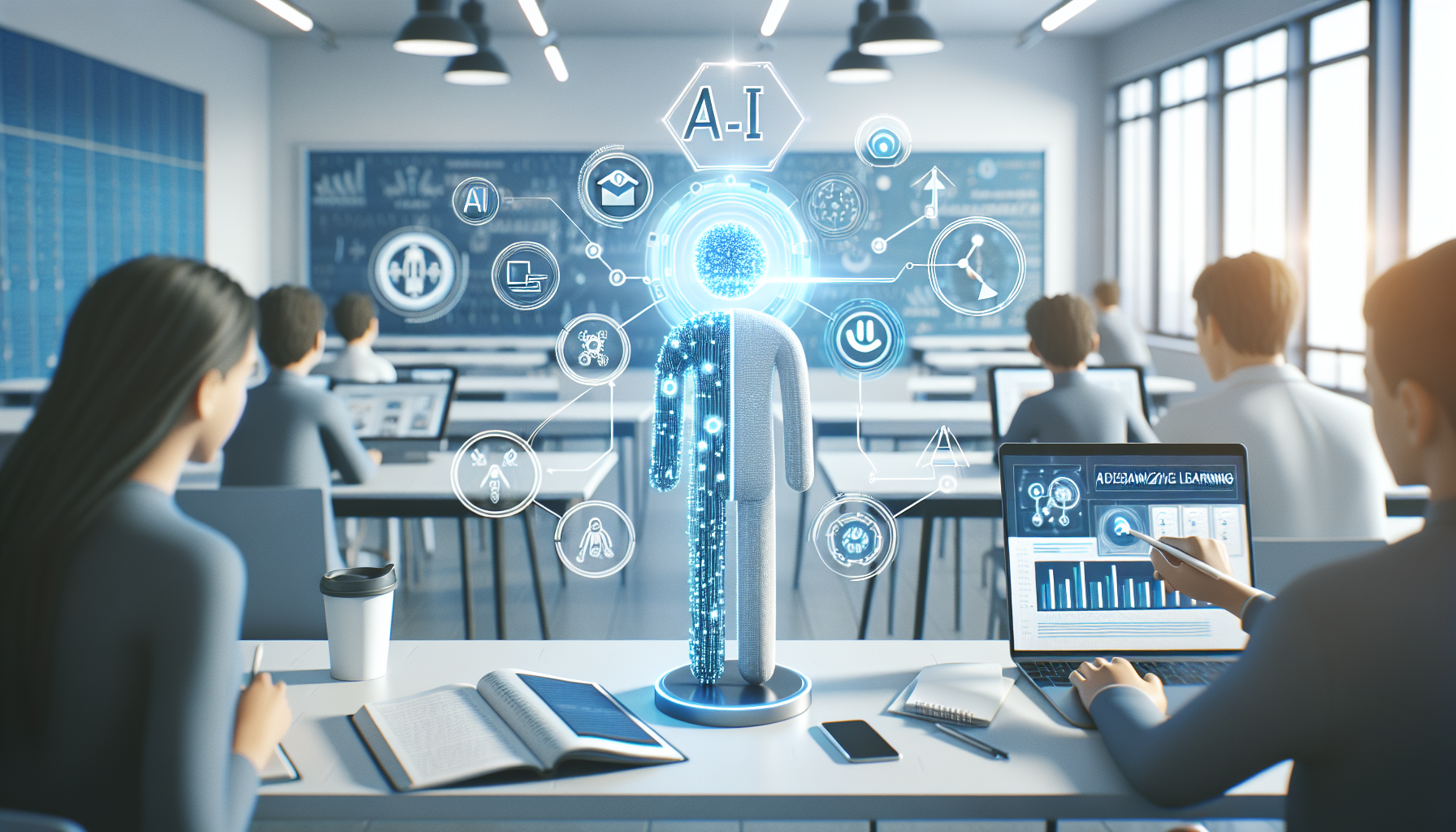
Education has always been a one-size-fits-all endeavor—until now. The traditional classroom model, where 30 students receive identical instruction at the same pace, is rapidly giving way to something far more sophisticated and effective: AI-powered personalized learning paths.
This isn't just another educational technology trend. We're witnessing a fundamental shift in how learning happens, with artificial intelligence enabling truly individualized education at scale. The results speak for themselves: students using personalized learning platforms show 30% greater learning gains compared to traditional methods, according to recent studies by the RAND Corporation.
Understanding Personalized Learning in the AI Era
Personalized learning represents an educational approach that customizes the learning experience to meet individual student needs, preferences, and interests. Unlike traditional differentiated instruction, which groups students into broad categories, AI-driven personalized learning creates unique pathways for each learner.
The key components of modern personalized learning include:
- Adaptive pacing: Students move through material at their optimal speed
- Learning style accommodation: Content delivery matches how students best absorb information
- Real-time assessment: Continuous evaluation guides immediate instructional adjustments
- Competency-based progression: Students advance based on mastery, not time spent
- Interest-driven content: Curriculum connects to student passions and goals
The Technology Behind the Transformation
Adaptive AI systems form the backbone of personalized learning platforms. These sophisticated algorithms analyze thousands of data points about each student's learning behavior, from response time and accuracy patterns to engagement levels and preferred content formats.
Modern learning analytics platforms process:
- Click patterns and navigation behaviors
- Time spent on specific concepts
- Error patterns and common misconceptions
- Emotional engagement indicators
- Social learning preferences
- Prior knowledge assessments
How AI Creates Individual Student Learning Experiences
Real-Time Data Collection and Analysis
The magic of personalized learning begins with data—lots of it. AI systems continuously collect and analyze student interactions, creating detailed learning profiles that evolve with every click, pause, and response.
Consider how this works in practice: When a student struggles with algebraic equations, the AI doesn't just note the incorrect answer. It analyzes the type of error (computational vs. conceptual), the time spent before responding, and similar patterns across related problems. This granular analysis reveals whether the student needs more practice with basic operations, conceptual reinforcement, or perhaps a completely different instructional approach.
Dynamic Content Sequencing
Traditional curricula follow predetermined sequences, but AI-powered systems create dynamic learning paths that adapt in real-time. If a student demonstrates mastery of fraction concepts quickly, the system might accelerate them to decimal operations while providing additional scaffolding for a peer who needs more foundational support.
This dynamic sequencing considers multiple factors:
- Current competency level: What the student knows right now
- Learning velocity: How quickly they're acquiring new concepts
- Confidence indicators: Self-reported understanding and behavioral cues
- Prerequisite gaps: Missing foundational knowledge that could impede progress
- Optimal challenge level: The sweet spot between too easy and overwhelming
Multimodal Learning Adaptation
Perhaps most impressively, modern AI systems adapt not just what students learn, but how they learn it. Some students absorb information best through visual representations, while others prefer auditory explanations or hands-on activities.
Learning analytics reveal these preferences through behavioral patterns rather than self-reporting. A student who consistently performs better after viewing video explanations will receive more multimedia content, while another who excels with text-based materials gets reading-heavy resources.
The Science Behind Adaptive Learning Systems
Cognitive Load Theory in Practice
AI-powered personalized learning leverages cognitive load theory to optimize how information is presented to each student. By analyzing working memory capacity and processing speed, these systems ensure students receive information in digestible chunks that maximize learning without causing cognitive overload.
For instance, when introducing complex scientific concepts, the AI might break information into smaller segments for students with lower working memory capacity while presenting comprehensive overviews to those who can handle more information simultaneously.
Zone of Proximal Development Optimization
Vygotsky's Zone of Proximal Development (ZPD) concept finds perfect expression in AI-driven learning systems. These platforms continuously calibrate content difficulty to keep students in that optimal learning zone—challenging enough to promote growth but not so difficult as to cause frustration.
Real-time analysis allows for immediate adjustments. If a student breezes through several problems, the difficulty ramps up. If they struggle with consecutive items, the system provides additional support or returns to prerequisite concepts.
Spaced Repetition and Forgetting Curves
AI systems excel at implementing spaced repetition algorithms that combat the forgetting curve. By tracking when students learned specific concepts and predicting when they're likely to forget them, these systems can strategically reintroduce content at optimal intervals for long-term retention.
Real-World Applications and Success Stories
K-12 Mathematics Transformation
School districts implementing AI-powered personalized learning in mathematics have seen remarkable results. The Rocketship Public Schools network reported 40% greater learning gains in math after implementing adaptive learning platforms.
Their approach includes:
- Individual diagnostic assessments to identify knowledge gaps
- Customized practice sequences targeting specific skill deficits
- Real-time progress monitoring with automatic intervention triggers
- Parent dashboards showing student progress and at-home support suggestions
Language Arts and Writing Development
Personalized learning shows particular promise in language arts, where individual expression and skill development vary dramatically among students. AI essay scoring and feedback systems, like those developed by Evelyn Learning, provide immediate, detailed feedback on student writing, identifying specific areas for improvement while acknowledging strengths.
These systems analyze:
- Grammar and mechanics patterns
- Vocabulary sophistication
- Argument structure and evidence use
- Writing voice and style development
- Progress toward specific rubric standards
Students receive targeted writing exercises based on their individual needs, whether that's sentence variety, thesis development, or evidence integration.
Science Education Innovation
In science education, personalized learning platforms adapt laboratory experiences and conceptual explanations to match student understanding levels. Advanced students might engage with complex molecular interactions while their peers work on fundamental atomic structure, all within the same class period.
Virtual labs provide infinite opportunities for experimentation without resource constraints, and AI tutors guide students through the scientific method at their own pace.
Addressing Individual Student Needs at Scale
Learning Differences and Disabilities
One of the most promising aspects of AI-powered personalized learning is its potential to support students with learning differences. These systems can automatically adjust:
- Text size and contrast for students with visual processing difficulties
- Audio narration speed for auditory processing variations
- Response time requirements for students who need additional processing time
- Content presentation formats to match learning style preferences
- Assessment methods to demonstrate knowledge through preferred modalities
English Language Learners (ELLs)
Personalized learning systems show particular promise for supporting English Language Learners. AI can provide:
- Vocabulary scaffolding with native language support
- Gradual complexity progression in academic English
- Cultural context explanations for improved comprehension
- Pronunciation practice with immediate feedback
- Content area support that builds language skills simultaneously
Gifted and Advanced Learners
Traditionally underserved gifted students benefit enormously from AI-powered personalized learning. These systems can:
- Accelerate pacing without social isolation from peers
- Provide enrichment activities that extend beyond standard curricula
- Connect learning to advanced applications and real-world problems
- Offer independent study pathways with intelligent guidance
- Create opportunities for mentorship matching based on interests and abilities
The Role of Learning Analytics in Real-Time Adaptation
Predictive Modeling for Intervention
Learning analytics enable educational systems to predict student struggles before they become critical failures. By analyzing patterns in engagement, performance, and behavioral indicators, AI systems can flag students who may need additional support.
These predictive models consider:
- Declining engagement patterns over time
- Increasing time-to-completion for similar tasks
- Rising error rates in specific content areas
- Reduced self-efficacy indicators
- Social learning participation changes
Emotional Intelligence Integration
Cutting-edge personalized learning systems now incorporate emotional intelligence factors. By analyzing facial expressions, response patterns, and engagement behaviors, AI can detect frustration, boredom, or confusion and adjust accordingly.
This might mean:
- Switching to a different explanation method when confusion is detected
- Providing encouragement and confidence-building activities after multiple errors
- Introducing gamification elements when engagement drops
- Offering break suggestions when stress indicators rise
Implementation Challenges and Solutions
Data Privacy and Security
The extensive data collection required for personalized learning raises legitimate privacy concerns. Educational institutions must implement robust security measures while maintaining transparency about data use.
Best practices include:
- Encrypted data storage and transmission
- Minimal data collection principles
- Regular security audits and updates
- Clear data use policies for families
- Student data deletion procedures
Teacher Training and Integration
Successful personalized learning implementation requires significant teacher professional development. Educators need training in:
- Data interpretation and instructional response
- Technology platform navigation
- Personalized learning pedagogy
- Student motivation and engagement strategies
- Family communication about individualized progress
Equity and Access Concerns
Personalized learning must not exacerbate educational inequities. Implementation strategies should address:
- Device and internet access for all students
- Digital literacy skill development
- Culturally responsive content and assessment
- Family engagement across diverse communities
- Support for schools with limited technology infrastructure
The Future of Personalized Learning
Artificial Intelligence Advancement
As AI technology continues advancing, personalized learning will become even more sophisticated. Future developments may include:
- Natural language processing improvements enabling conversational learning interactions
- Computer vision capabilities for analyzing student work and engagement in real-time
- Predictive analytics that anticipate learning needs months in advance
- Augmented reality integration for immersive, personalized learning experiences
- Blockchain technology for secure, portable learning credentials
Cross-Curricular Integration
Future personalized learning systems will break down traditional subject silos, creating integrated learning experiences that connect mathematics, science, literature, and social studies in meaningful ways tailored to individual interests and career aspirations.
Lifelong Learning Applications
The principles and technologies powering K-12 personalized learning will extend into higher education, professional development, and lifelong learning contexts. AI tutors and adaptive learning systems will support continuous skill development throughout careers.
Tools and Platforms Leading the Revolution
AI-Powered Assessment and Feedback
Platforms like Evelyn Learning's AI Essay Scoring system demonstrate how artificial intelligence can provide immediate, detailed feedback on student work. These tools analyze writing across multiple dimensions—organization, evidence use, language mechanics, and voice—providing specific suggestions for improvement that traditional grading cannot match.
The impact is significant: teachers save 80% of their grading time while students receive more comprehensive feedback than ever before. This freed time allows educators to focus on high-impact activities like small-group instruction and individual mentoring.
24/7 Learning Support
Personalized learning extends beyond school hours through AI-powered homework helpers that provide Socratic questioning rather than direct answers. These systems guide students to discover solutions independently while adapting to individual learning styles and knowledge gaps.
Students receive:
- Step-by-step problem breakdown tailored to their understanding level
- Conceptual explanations that build on prior knowledge
- Practice problems calibrated to their current skill level
- Immediate clarification of misconceptions
- Progress tracking that informs classroom instruction
Measuring Success in Personalized Learning
Academic Achievement Metrics
Traditional standardized test scores provide one measure of personalized learning effectiveness, but comprehensive evaluation requires multiple indicators:
- Learning growth rates: How quickly students master new concepts
- Knowledge retention: Long-term memory of previously learned material
- Transfer skills: Ability to apply knowledge in new contexts
- Critical thinking development: Analysis and evaluation capabilities
- Problem-solving proficiency: Approach to novel challenges
Student Engagement and Motivation
Personalized learning's impact on student engagement often proves more significant than test score improvements:
- Increased time-on-task and voluntary learning activities
- Higher self-efficacy and confidence in academic abilities
- Greater ownership of learning goals and progress
- Improved school attendance and participation
- Reduced disciplinary incidents and behavioral issues
Long-Term Educational Outcomes
Early research suggests personalized learning may improve:
- High school graduation rates
- College enrollment and completion
- Career readiness and adaptability
- Lifelong learning habits
- Digital citizenship and technology literacy
Conclusion: The Personalized Learning Revolution
The rise of personalized learning paths represents more than technological advancement—it's a fundamental reimagining of education itself. By leveraging AI to adapt to individual student needs in real-time, we're finally delivering on the promise of truly individualized education at scale.
The evidence is compelling: students in personalized learning environments demonstrate greater achievement, engagement, and long-term success. As AI technology continues advancing and implementation challenges get resolved, personalized learning will become the norm rather than the exception.
For educators, this transformation offers an opportunity to focus on what they do best—inspiring, mentoring, and guiding students—while AI handles the complex task of continuous instructional optimization. For students, it promises learning experiences that honor their individual strengths, address their specific needs, and ignite their unique potential.
The question isn't whether personalized learning will transform education, but how quickly we can implement it thoughtfully and equitably. The students in our classrooms today deserve learning experiences as unique as they are, and AI-powered personalized learning is making that vision a reality.
Frequently Asked Questions
What is the difference between personalized learning and differentiated instruction?
Personalized learning uses AI to create unique learning paths for each individual student, while differentiated instruction groups students into categories and adjusts instruction for those groups. Personalized learning is more precise and adaptive.
How does AI determine what each student needs?
AI systems analyze multiple data points including response accuracy, time-on-task, error patterns, engagement levels, and learning preferences to create detailed profiles of each student's needs and optimal learning conditions.
Is personalized learning effective for all students?
Research shows personalized learning benefits students across all ability levels, learning differences, and backgrounds, though implementation quality and teacher support significantly impact effectiveness.
What role do teachers play in personalized learning environments?
Teachers remain central to personalized learning, focusing on mentoring, facilitating discussions, providing emotional support, and making instructional decisions based on AI-generated insights.
How can schools ensure student data privacy in personalized learning systems?
Schools should implement encrypted data storage, minimal data collection practices, transparent privacy policies, regular security audits, and clear procedures for data deletion and parent access.