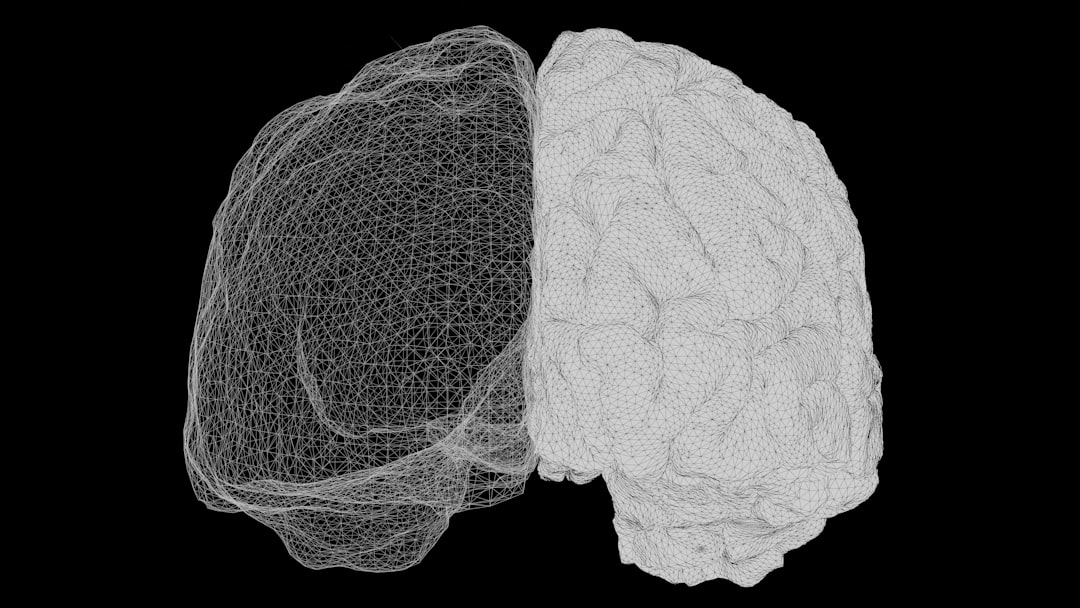
The human brain processes approximately 11 million bits of information per second, yet we can only consciously attend to about 40 bits at any given moment. This fundamental limitation has profound implications for how students learn—and how AI-powered adaptive learning systems can be designed to work with, rather than against, our cognitive architecture.
As educational institutions grapple with retention rates that hover around 60% for four-year degree programs, understanding the neuroscience of learning has become critical for developing more effective teaching strategies. The intersection of brain science and artificial intelligence is revealing unprecedented opportunities to optimize how students acquire, process, and retain knowledge.
The Brain's Learning Architecture: What Neuroscience Reveals
Working Memory and the Bottleneck Effect
Neuroscience research has identified working memory as the primary bottleneck in human learning. Dr. John Sweller's cognitive load theory demonstrates that our working memory can typically hold only 7±2 pieces of information simultaneously. When this capacity is exceeded, learning efficiency drops dramatically.
Recent neuroimaging studies using fMRI technology show that when students experience cognitive overload, activity in the prefrontal cortex—responsible for executive function and learning—actually decreases. This creates a paradox: the harder we push students beyond their cognitive limits, the less they actually learn.
The Formation of Long-Term Memory
The transfer of information from working memory to long-term memory involves specific neural pathways and processes:
- Encoding: The hippocampus consolidates new information by forming connections between neurons
- Retrieval Practice: Each time information is recalled, neural pathways are strengthened through a process called long-term potentiation
- Spaced Repetition: Distributed practice creates more durable memory traces than massed practice
- Elaborative Processing: Connecting new information to existing knowledge creates richer neural networks
These processes don't happen uniformly across all students. Individual differences in brain structure, prior knowledge, and cognitive processing speed create unique learning profiles that traditional one-size-fits-all approaches fail to address.
How AI Adaptive Systems Mirror Brain-Based Learning Patterns
Personalized Cognitive Load Management
Advanced AI education technology can now monitor and adjust cognitive load in real-time by analyzing multiple data points:
- Response Time Analysis: Longer response times often indicate approaching cognitive overload
- Error Pattern Recognition: Specific mistake patterns reveal which cognitive processes are struggling
- Engagement Metrics: Decreased interaction frequency can signal mental fatigue
- Performance Trajectory: Declining accuracy over time suggests the need for cognitive breaks
By continuously adjusting difficulty levels, content presentation formats, and pacing, adaptive learning systems can maintain students within their optimal learning zone—challenging enough to promote growth, but not so difficult as to cause cognitive overload.
Mimicking Natural Memory Consolidation
AI-powered systems can replicate the brain's natural memory consolidation processes through sophisticated algorithms:
Spaced Repetition Optimization: Instead of using fixed intervals, AI can calculate optimal review timing based on individual forgetting curves. Hermann Ebbinghaus's research on memory decay shows that we forget approximately 50% of new information within an hour, but AI systems can intervene at precisely the right moments to reinforce learning.
Interleaving Practice: The brain learns more effectively when related concepts are mixed together rather than studied in isolation. AI systems can create optimal interleaving patterns that strengthen neural connections between related ideas.
Retrieval Practice Scheduling: Regular testing isn't just assessment—it's a powerful learning tool. AI can schedule retrieval practice sessions based on individual memory strength indicators, ensuring concepts are recalled just as they begin to fade.
Adaptive Feedback Mechanisms
Neuroscience research shows that the timing and type of feedback significantly impact learning effectiveness. The brain's reward system, centered in the dopamine pathways, responds differently to various feedback approaches:
- Immediate Feedback: Best for procedural skills and basic concept acquisition
- Delayed Feedback: More effective for complex problem-solving and transfer tasks
- Process-Focused Feedback: Strengthens metacognitive awareness and self-regulation
- Outcome-Focused Feedback: Useful for motivation but less effective for long-term learning
AI systems can analyze student performance patterns to determine the optimal feedback type and timing for each individual learner.
The Science of Student Retention: Beyond Academic Performance
Emotional and Social Factors in Learning
Neuroscience research reveals that learning is not purely a cognitive process. The limbic system, which processes emotions, is intimately connected to the hippocampus, where memory formation occurs. Students experiencing stress, anxiety, or disconnection show measurably different brain activation patterns that impair learning.
Key findings include:
- Stress Response: Chronic stress elevates cortisol levels, which literally shrinks the hippocampus and impairs memory formation
- Social Connection: Mirror neuron research shows that students learn more effectively when they feel connected to instructors and peers
- Autonomy and Control: Brain imaging reveals increased engagement in regions associated with intrinsic motivation when students have choice and control over their learning
Building Confidence Through Mastery Patterns
The neuroscience of self-efficacy shows that confidence isn't just a feeling—it's a measurable brain state that directly impacts learning capacity. Students with higher self-efficacy show increased activity in the anterior cingulate cortex, associated with persistence and resilience.
AI adaptive systems can build confidence by:
- Ensuring High Success Rates: Maintaining 80-85% success rates optimizes the balance between challenge and achievement
- Providing Mastery Evidence: Showing students concrete progress data activates reward pathways
- Scaffolding Complex Tasks: Breaking difficult concepts into achievable steps prevents learned helplessness
- Celebrating Growth Mindset: Focusing feedback on effort and strategy rather than innate ability
Practical Applications: AI Tools That Work with Brain Science
Intelligent Essay Scoring and Feedback
Traditional essay grading often fails to align with how the brain processes feedback. Students receive comments days or weeks after writing, when the neural pathways associated with the original work have weakened. AI-powered essay scoring systems can provide immediate, detailed feedback that:
- Addresses Specific Cognitive Processes: Rather than generic comments, AI can identify specific areas where working memory limitations may have impacted performance
- Provides Actionable Next Steps: Feedback aligned with cognitive load theory gives students manageable improvement targets
- Tracks Writing Development: Longitudinal analysis reveals patterns in cognitive growth and areas needing support
For example, Evelyn Learning's AI Essay Scoring system analyzes student writing across multiple dimensions simultaneously, providing feedback that aligns with how the brain naturally processes language and composition skills. The system maintains a 95% correlation with human graders while delivering feedback in under 10 seconds.
24/7 AI Tutoring That Mimics Human Cognition
Effective tutoring isn't just about providing answers—it's about guiding students through the cognitive processes that build understanding. Neuroscience research on expert-novice differences shows that experts don't just know more facts; they organize knowledge differently in their brains.
AI tutoring systems can replicate expert cognitive patterns by:
- Using Socratic Questioning: Guiding students to discover answers rather than providing direct solutions strengthens neural pathways through active construction
- Identifying Misconceptions: AI can recognize error patterns that indicate specific cognitive gaps or alternative mental models
- Providing Just-in-Time Support: Intervening precisely when students reach the edge of their cognitive capacity, before frustration sets in
- Modeling Expert Problem-Solving: Demonstrating the thinking processes that experts use automatically
The result is tutoring that doesn't just help students complete assignments, but actually rewires their brains for more effective learning patterns.
Measuring Success: Neuroscience-Based Metrics
Beyond Traditional Assessment
Traditional metrics like test scores and completion rates tell us what students have learned, but not how effectively they've learned it. Neuroscience-informed assessment looks at:
Learning Efficiency: How much cognitive effort is required to achieve mastery? Students who reach the same performance level with less mental strain have developed more robust neural networks.
Transfer Capability: Can students apply knowledge to novel situations? This indicates the formation of flexible, interconnected neural pathways rather than rote memorization.
Retention Durability: How well do students maintain knowledge over time? This reflects the strength of long-term memory consolidation.
Metacognitive Development: Are students becoming better learners? This involves strengthening executive function networks in the prefrontal cortex.
Real-World Impact on Student Retention
Institutions implementing neuroscience-based AI adaptive systems report measurable improvements in student retention:
- Reduced Cognitive Overload: Students report lower stress levels and increased confidence
- Improved Academic Performance: Higher course completion rates and grade improvements
- Enhanced Engagement: Increased time-on-task and voluntary practice
- Better Preparation: Improved performance in subsequent courses
One major university implementing AI-powered adaptive learning reported a 15% increase in course completion rates and a 40% reduction in students reporting academic stress as a primary concern.
The Future of Neuroscience-Informed AI Education
Emerging Technologies
Several cutting-edge technologies are pushing the boundaries of how AI can support brain-based learning:
Real-Time Cognitive Load Monitoring: Using eye-tracking, heart rate variability, and EEG data to measure cognitive state in real-time and adjust instruction accordingly.
Predictive Learning Analytics: AI systems that can predict when students are likely to struggle before performance declines, based on subtle patterns in engagement and response data.
Personalized Neural Network Modeling: Creating individual cognitive models for each student that become more accurate over time, enabling unprecedented personalization.
Multimodal Learning Integration: AI that can seamlessly blend visual, auditory, and kinesthetic learning modalities based on individual neural processing preferences.
Ethical Considerations
As AI systems become more sophisticated at reading and responding to human cognitive patterns, important ethical questions emerge:
- Privacy and Consent: What neural and behavioral data should AI systems collect, and how should it be protected?
- Equity and Access: How can we ensure that neuroscience-informed AI benefits all students, not just those with access to advanced technology?
- Human Agency: How do we maintain student autonomy and choice while optimizing for neural efficiency?
- Bias and Fairness: How can we prevent AI systems from reinforcing existing inequalities in educational outcomes?
Practical Implementation Strategies
For Educational Institutions
Start with Pilot Programs: Begin with small-scale implementations in courses where cognitive load is typically high, such as introductory STEM courses or writing-intensive subjects.
Train Faculty on Cognitive Science: Provide professional development on basic neuroscience principles so instructors can interpret and act on AI-generated insights.
Integrate with Existing Systems: Choose AI tools that work within current learning management systems rather than requiring entirely new platforms.
Measure What Matters: Track neuroscience-informed metrics alongside traditional academic measures to build evidence for effectiveness.
For Students and Instructors
Understand Your Cognitive Patterns: Use AI-powered analytics to identify personal learning strengths and challenges.
Embrace Productive Struggle: Recognize that some cognitive effort is necessary for learning, while excessive struggle is counterproductive.
Focus on Process Over Product: Pay attention to how you're learning, not just what you're learning.
Trust the Science: Be willing to try learning approaches that may feel different but are supported by neuroscience research.
Frequently Asked Questions
Q: How does AI know when a student is experiencing cognitive overload?
A: AI systems analyze multiple behavioral indicators including response time patterns, error rates, engagement metrics, and interaction frequency. When these indicators suggest approaching cognitive limits, the system can automatically adjust difficulty or suggest breaks.
Q: Can AI really replicate the complexity of human brain processes?
A: While AI cannot fully replicate human consciousness, it can effectively model and respond to specific cognitive processes like memory formation, attention management, and knowledge transfer based on well-established neuroscience principles.
Q: What's the difference between traditional adaptive learning and neuroscience-informed AI?
A: Traditional adaptive learning typically adjusts based on right/wrong answers. Neuroscience-informed AI considers how the brain actually processes information, adjusting for cognitive load, memory consolidation patterns, and individual neural differences.
Q: How quickly can institutions expect to see improvements in student retention?
A: Initial improvements in student engagement and confidence often appear within 4-6 weeks. Measurable retention improvements typically become evident after one full academic term, with more substantial gains appearing over multiple semesters.
Q: Is there a risk of making learning too easy or reducing academic rigor?
A: Neuroscience-informed AI doesn't make learning easier—it makes it more efficient. Students still encounter challenging material, but it's presented in ways that optimize cognitive processing and long-term retention.
Conclusion: The Brain-AI Partnership in Education
The convergence of neuroscience research and artificial intelligence represents a paradigm shift in education—from teaching based on intuition and tradition to instruction grounded in scientific understanding of how the brain learns.
We now know that effective learning isn't about pushing harder or studying longer. It's about working with the brain's natural patterns of attention, memory, and motivation. AI-powered adaptive learning systems offer unprecedented opportunities to personalize education at the neural level, ensuring that each student receives instruction optimized for their unique cognitive architecture.
The evidence is clear: institutions that embrace neuroscience-informed AI education technology see meaningful improvements in student engagement, academic performance, and retention rates. As these systems become more sophisticated and accessible, the question isn't whether to adopt them, but how quickly institutions can implement them effectively.
The future of education lies not in replacing human insight with artificial intelligence, but in creating partnerships between human wisdom and AI capability—all grounded in the scientific understanding of how the remarkable human brain learns, grows, and thrives.
For educational leaders ready to explore how neuroscience-informed AI can transform their institutions, the journey begins with understanding that every student's brain is both remarkably similar in its fundamental architecture and beautifully unique in its individual patterns. AI simply gives us the tools to honor both truths simultaneously, at scale, in ways never before possible in human history.