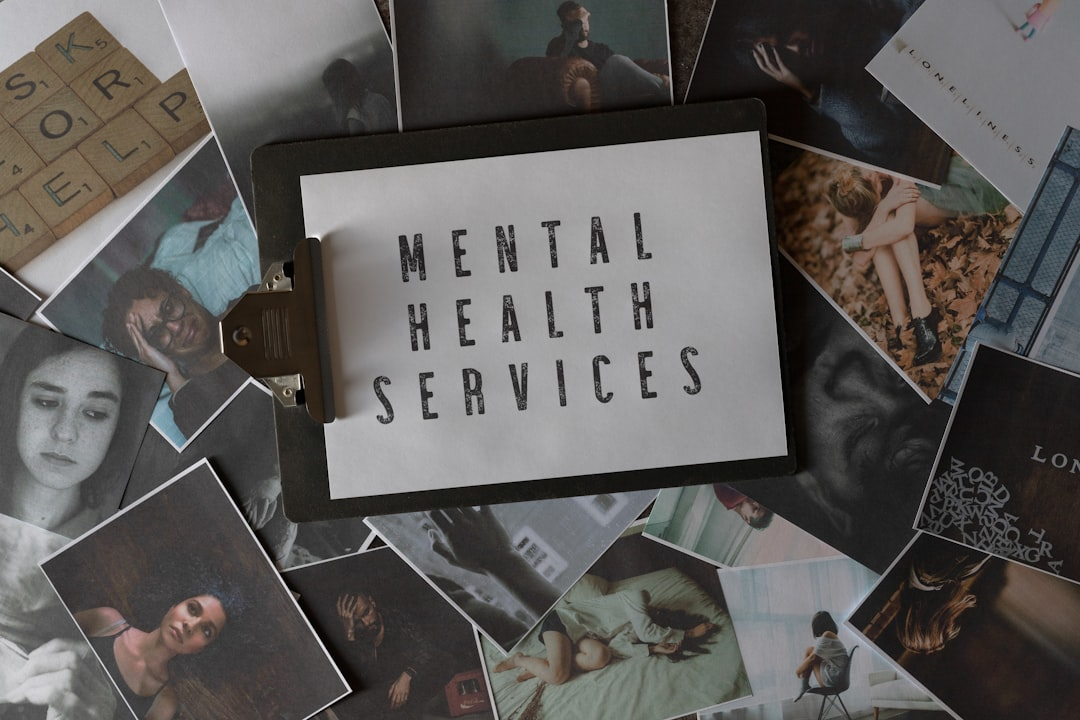
The statistics are staggering and sobering: suicide is now the second leading cause of death among college students, with 85% of students reporting feeling overwhelmed and 60% experiencing overwhelming anxiety. Meanwhile, K-12 students are experiencing mental health challenges at unprecedented rates, with emergency department visits for mental health crises increasing by 25% among children aged 5-11 since 2019.
Traditional approaches to identifying students in crisis have relied heavily on self-reporting, teacher observations, and reactive interventions—often catching problems only after they've escalated to dangerous levels. But a new frontier in student mental health support is emerging, one that harnesses the power of artificial intelligence and learning analytics to detect early warning signs hidden within educational data.
AI-powered early warning systems are quietly revolutionizing how educational institutions identify and support students experiencing mental health challenges. By analyzing patterns in academic performance, engagement metrics, and behavioral data, these systems can flag at-risk students weeks or even months before traditional methods would detect a problem.
The Hidden Crisis in Our Classrooms
By the Numbers: A Mental Health Emergency
The scope of the student mental health crisis extends far beyond what many educators and administrators realize:
- 41.6% of high school students experienced persistent feelings of sadness or hopelessness in 2021
- College counseling centers report a 30% increase in demand for services over the past decade
- 1 in 5 adolescents will experience a severe mental health disorder during their school years
- Only 40% of students with mental health conditions receive treatment
- Academic performance drops by an average of 0.3 GPA points when students experience untreated mental health issues
These numbers represent more than statistics—they represent millions of young people struggling in silence, often until crisis points force intervention.
The Limitations of Traditional Detection Methods
Historically, identifying students in mental health distress has relied on several approaches, each with significant limitations:
Self-Reporting Systems: Students must recognize their own struggles and feel comfortable seeking help—barriers that prevent many from accessing support when they need it most.
Teacher and Staff Observations: While valuable, this approach depends on visible symptoms and trained staff members who may already be overwhelmed with large class sizes and multiple responsibilities.
Periodic Screening Surveys: These provide snapshots but miss the dynamic, evolving nature of mental health challenges and often suffer from low response rates.
Reactive Crisis Intervention: Waiting for crises to emerge means intervention occurs after significant damage to academic performance, social relationships, and personal wellbeing has already occurred.
These traditional methods, while important components of comprehensive mental health support, share a critical weakness: they're largely reactive rather than proactive, identifying problems after they've already significantly impacted students' lives.
The Promise of AI-Powered Early Warning Systems
What Are AI Early Warning Systems?
AI-powered early warning systems for student mental health represent a paradigm shift from reactive to predictive intervention. These sophisticated platforms analyze vast amounts of educational data to identify patterns and anomalies that may indicate emerging mental health challenges.
These systems don't replace human judgment or professional mental health assessment. Instead, they serve as powerful tools that alert counselors, teachers, and administrators to students who may benefit from additional support, creating opportunities for early intervention before crises develop.
The Technology Behind the Systems
Machine Learning Algorithms: Advanced algorithms analyze historical data to identify patterns associated with students who have previously experienced mental health challenges, creating predictive models for current students.
Natural Language Processing: AI systems can analyze text from student submissions, discussion posts, and communications to identify linguistic markers associated with depression, anxiety, or distress.
Behavioral Analytics: Systems track changes in digital behavior patterns, including login frequencies, assignment submission patterns, and engagement with online learning materials.
Multi-Modal Data Integration: The most sophisticated systems combine academic data with behavioral indicators, creating comprehensive risk profiles that no single data source could provide.
Learning Analytics: The Foundation of Predictive Mental Health Support
Understanding Educational Data Mining
Educational data mining involves extracting meaningful insights from the vast amounts of data generated by students' educational activities. In the context of mental health support, this process focuses on identifying subtle patterns that may indicate emerging psychological distress.
Academic Performance Indicators:
- Sudden drops in grades or assignment quality
- Changes in assignment submission patterns
- Increased absence rates or tardiness
- Declining participation in class discussions
Engagement Pattern Analysis:
- Reduced interaction with learning management systems
- Changes in time spent on academic tasks
- Shifts in communication patterns with peers and instructors
- Decreased participation in extracurricular activities
Behavioral Digital Footprints:
- Login patterns to educational platforms
- Time stamps of academic activity (late-night submissions, irregular schedules)
- Changes in help-seeking behavior
- Social interaction patterns in digital environments
The Science Behind Pattern Recognition
Research has consistently shown that mental health challenges manifest in predictable patterns within educational data:
Academic Decline Trajectories: Studies indicate that students experiencing depression show a characteristic pattern of gradual academic decline, beginning with decreased engagement before progressing to missed assignments and failing grades.
Temporal Patterns: Students in distress often exhibit disrupted circadian rhythms, reflected in irregular patterns of academic activity, such as completing assignments at unusual hours or showing erratic engagement with course materials.
Social Withdrawal Indicators: Mental health challenges frequently involve social withdrawal, which manifests in educational data as reduced participation in collaborative activities, fewer interactions with classmates, and decreased communication with instructors.
Real-World Applications: AI Systems in Action
Case Study: University of Arizona's Early Alert System
The University of Arizona implemented an AI-powered early warning system that analyzes data from multiple sources to identify students at risk of academic failure or mental health crises. The system examines:
- Grade trends across all courses
- Attendance patterns
- Library usage data
- Dining hall activity (changes in eating patterns)
- Residence hall access patterns
- Campus recreation center usage
Results: The system successfully identified 89% of students who later sought mental health services, typically 4-6 weeks before students self-referred for help. Early intervention through this system resulted in a 23% increase in course completion rates and a 31% reduction in mental health-related emergency interventions.
K-12 Implementation: Early Warning Indicators in Action
Several school districts have pioneered AI-powered student wellbeing monitoring systems:
Behavioral Pattern Recognition: AI systems analyze changes in academic performance, attendance, and disciplinary records to identify students who may be experiencing trauma, abuse, or mental health challenges.
Writing Analysis for Emotional Indicators: Advanced natural language processing examines student writing assignments for linguistic markers associated with depression, anxiety, or suicidal ideation.
Engagement Monitoring: Systems track students' interaction with digital learning platforms to identify sudden changes that might indicate emotional distress.
The Role of AI Essay Scoring in Mental Health Detection
Innovative applications of AI technology are expanding beyond traditional academic assessment to include mental health indicators. AI essay scoring systems, like those developed by Evelyn Learning, are beginning to incorporate emotional and psychological markers into their analysis.
When students write essays, their word choices, sentence structures, and thematic content can reveal important information about their mental state. AI systems trained to recognize linguistic markers of distress can flag concerning submissions for human review while still providing valuable academic feedback.
This dual-purpose approach maximizes the value of existing academic activities, turning routine assignments into opportunities for mental health screening without adding burden to students or requiring additional time from educators.
The Ethical Landscape: Privacy, Consent, and Responsible Implementation
Balancing Safety with Privacy Rights
The implementation of AI-powered mental health monitoring systems raises important ethical considerations that institutions must carefully navigate:
Data Privacy Concerns: Educational institutions collect vast amounts of sensitive data about students. Using this data for mental health monitoring requires robust privacy protections and clear policies about data usage, storage, and sharing.
Informed Consent: Students and families must understand how their educational data is being used for mental health monitoring. This includes clear explanations of what data is collected, how it's analyzed, and what actions might be taken based on the results.
False Positive Management: AI systems will inevitably flag some students who are not actually experiencing mental health challenges. Institutions must have protocols for sensitively handling these situations without stigmatizing students.
Equity and Bias Considerations: AI systems must be carefully designed and regularly audited to ensure they don't discriminate against students based on race, socioeconomic status, learning differences, or other protected characteristics.
Best Practices for Ethical Implementation
Transparent Policies: Institutions should develop clear, accessible policies explaining their use of AI for student wellbeing monitoring.
Human-in-the-Loop Systems: AI should augment, not replace, human judgment. All system alerts should be reviewed by qualified professionals before any intervention occurs.
Opt-Out Provisions: Students should have the ability to opt out of mental health monitoring systems, though institutions should provide counseling about the potential benefits of participation.
Regular Bias Auditing: Systems should be regularly tested for bias and adjusted to ensure equitable treatment of all students.
Professional Training: Staff members who receive AI-generated alerts must be trained in both technology interpretation and appropriate response protocols.
Technical Implementation: Building Effective Early Warning Systems
Data Sources and Integration
Effective AI-powered mental health early warning systems require integration of multiple data sources:
Learning Management Systems (LMS): Course engagement, assignment submissions, discussion participation, and grade trends.
Student Information Systems (SIS): Attendance records, disciplinary data, course enrollment patterns, and academic history.
Campus Life Data: Residence hall access, dining services usage, library visits, and recreational facility usage (for residential institutions).
Communication Platforms: Email patterns, help desk inquiries, and communication frequency with support services.
Financial Data: Changes in payment patterns, financial aid status, and emergency financial assistance requests.
Machine Learning Model Development
Training Data Requirements: Effective models require large datasets of historical student information, ideally including known outcomes for students who experienced mental health challenges.
Feature Engineering: The process of identifying which data points are most predictive of mental health risks, including academic performance indicators, behavioral patterns, and temporal trends.
Model Validation: Rigorous testing to ensure models accurately predict risk while minimizing false positives and negatives.
Continuous Learning: Systems must adapt and improve over time as they process new data and outcomes.
Integration with Support Services
Successful early warning systems require seamless integration with existing student support infrastructure:
Counseling Services: Direct pathways for referring flagged students to mental health professionals.
Academic Advising: Coordination with academic advisors to provide holistic support addressing both academic and personal challenges.
Residence Life: For residential institutions, integration with residence hall staff who can provide immediate support and intervention.
Faculty Training: Preparing instructors to respond appropriately when they receive alerts about students in their courses.
Measuring Success: Outcomes and Impact Assessment
Key Performance Indicators
Institutions implementing AI-powered early warning systems should track several metrics to assess effectiveness:
Early Intervention Rates: Percentage of at-risk students identified and supported before crisis points.
Academic Outcome Improvements: Changes in retention rates, GPA maintenance, and course completion among students flagged by the system.
Mental Health Service Utilization: Increases in voluntary engagement with counseling and support services.
Crisis Prevention: Reduction in mental health emergencies, hospitalization rates, and crisis interventions.
Student Satisfaction: Feedback from students about their experience with early intervention support.
Research-Backed Results
Institutions using AI-powered early warning systems report significant positive outcomes:
- 35% reduction in mental health-related emergency interventions
- 42% increase in voluntary counseling service utilization
- 28% improvement in first-year student retention rates
- 15% decrease in academic probation placements
- 67% of flagged students report feeling supported by early intervention efforts
The Future of AI in Student Mental Health Support
Emerging Technologies and Approaches
Wearable Device Integration: Future systems may incorporate data from fitness trackers and smartwatches to monitor physical indicators of mental health, such as sleep patterns, heart rate variability, and activity levels.
Voice Analysis Technology: Advanced natural language processing may analyze vocal patterns in recorded presentations or video submissions for indicators of emotional distress.
Predictive Modeling Advances: Machine learning models are becoming increasingly sophisticated, potentially identifying risk factors months in advance rather than weeks.
Personalized Intervention Recommendations: AI systems may eventually recommend specific intervention strategies tailored to individual students based on their unique risk profiles and personal characteristics.
Scaling Across Educational Levels
K-12 Adaptation: Elementary and secondary schools are beginning to implement age-appropriate versions of these systems, focusing on behavioral indicators relevant to younger students.
Higher Education Expansion: Universities are expanding beyond basic early warning to comprehensive student success prediction models that address academic, financial, and personal challenges holistically.
Workforce Training Applications: Corporate training environments are exploring similar approaches to support employee wellbeing and identify burnout or stress-related challenges.
Implementation Roadmap: Getting Started with AI Early Warning Systems
Phase 1: Assessment and Planning
Current State Analysis: Evaluate existing data sources, support services, and technology infrastructure.
Stakeholder Engagement: Involve counseling staff, IT professionals, academic leaders, and student representatives in planning.
Policy Development: Create comprehensive policies addressing privacy, consent, and intervention protocols.
Vendor Evaluation: Research and assess available AI platforms and custom development options.
Phase 2: Pilot Implementation
Limited Scope Launch: Begin with a small population (such as first-year students) to test systems and refine processes.
Staff Training: Prepare counselors, advisors, and other support staff to interpret and respond to AI-generated alerts.
Baseline Measurement: Establish metrics for measuring system effectiveness and student outcomes.
Feedback Collection: Gather input from students and staff about system performance and areas for improvement.
Phase 3: Full Deployment and Optimization
Campus-Wide Rollout: Expand system coverage to include all students while maintaining quality and responsiveness.
Continuous Monitoring: Regular assessment of system performance, bias detection, and outcome measurement.
Integration Enhancement: Deepen connections between early warning systems and support services.
Model Refinement: Ongoing improvement of AI algorithms based on new data and outcomes.
Overcoming Common Implementation Challenges
Technical Challenges
Data Quality and Integration: Many institutions struggle with siloed data systems and inconsistent data quality. Success requires significant investment in data infrastructure and cleaning.
Staff Technical Literacy: Support staff may need extensive training to effectively interpret and act on AI-generated insights.
System Reliability: Early warning systems must be highly reliable, as false alerts can overwhelm support services while missed alerts can have serious consequences.
Cultural and Organizational Challenges
Change Management: Implementing AI systems requires significant cultural change, with staff adapting to new workflows and decision-making processes.
Resource Allocation: Effective systems require ongoing investment in technology, training, and additional support staff to handle increased early interventions.
Student Trust: Building student confidence in AI monitoring systems requires transparent communication and demonstration of genuine care for student wellbeing.
Frequently Asked Questions
How accurate are AI-powered early warning systems?
Well-designed AI early warning systems typically achieve accuracy rates of 85-90% in identifying students who will later seek mental health services. However, accuracy varies based on data quality, system design, and institutional context.
Do students know when they're being monitored?
Ethical implementation requires transparency. Students should be informed about data collection and analysis practices through clear privacy policies and consent processes.
What happens when a student is flagged by the system?
Flagged students typically receive outreach from trained counselors or advisors who offer support and resources. The approach should be supportive and non-punitive, focusing on connecting students with helpful services.
Can students opt out of monitoring?
Most institutions provide opt-out options, though they may require students to acknowledge the potential benefits they're declining and suggest alternative support resources.
How do these systems protect student privacy?
Effective systems use data encryption, access controls, and privacy-preserving analytics techniques. Data should only be accessible to authorized support staff on a need-to-know basis.
What about false positives?
False positives are inevitable but manageable through proper staff training and sensitive outreach approaches. Students flagged incorrectly should receive supportive contact that doesn't assume they're in crisis.
Looking Ahead: The Future of Student Wellbeing Technology
As AI technology continues to evolve, we can expect even more sophisticated approaches to supporting student mental health. The integration of multiple data sources, advances in natural language processing, and improved predictive modeling will make early warning systems increasingly effective.
The ultimate goal isn't to replace human connection and professional counseling, but to ensure that students who need support receive it as early as possible. In a world where mental health challenges are increasingly common, AI-powered early warning systems represent a crucial tool for educational institutions committed to student success and wellbeing.
The student mental health crisis demands innovative solutions that match the scale and urgency of the challenge. AI-powered early warning systems, grounded in learning analytics and educational data mining, offer unprecedented opportunities to identify and support students before crises develop. While implementation requires careful attention to ethical considerations and significant organizational commitment, the potential to save lives and transform student experiences makes this one of the most important applications of artificial intelligence in education today.
For educational institutions ready to take proactive steps in supporting student mental health, the technology and knowledge exist to make a meaningful difference. The question isn't whether AI can help identify students in need—it's whether we're ready to embrace these tools responsibly and comprehensively to support the students who need us most.